6 hr 30 min
Chianti Wine Region Tour from Florence
- Expert local guide
- Small group
- Skip-the-line access
- Free cancellation
Day Trip from Florence to Tuscany Wine Tasting — Chianti Vineyards & Hill Towns
Rolling vineyards and medieval towers, Sangiovese poured in ancient cellars
Compare fares, pick the fit — all bookings are mobile-voucher and eligible for free cancellation where shown.
6 hr 30 min
12 hr
4 hr 30 min
| Experience | Duration | Rating | Skip-the-line | Guide | Small group | Free cancel. | Price | |
|---|---|---|---|---|---|---|---|---|
|
Guided Experience
Most popular
Chianti Wine Region Tour from Florence
|
6 hr 30 min | ★ 4.5 | ✓ | ✓ | ✓ | ✓ | €50 | Book → |
|
Guided Experience
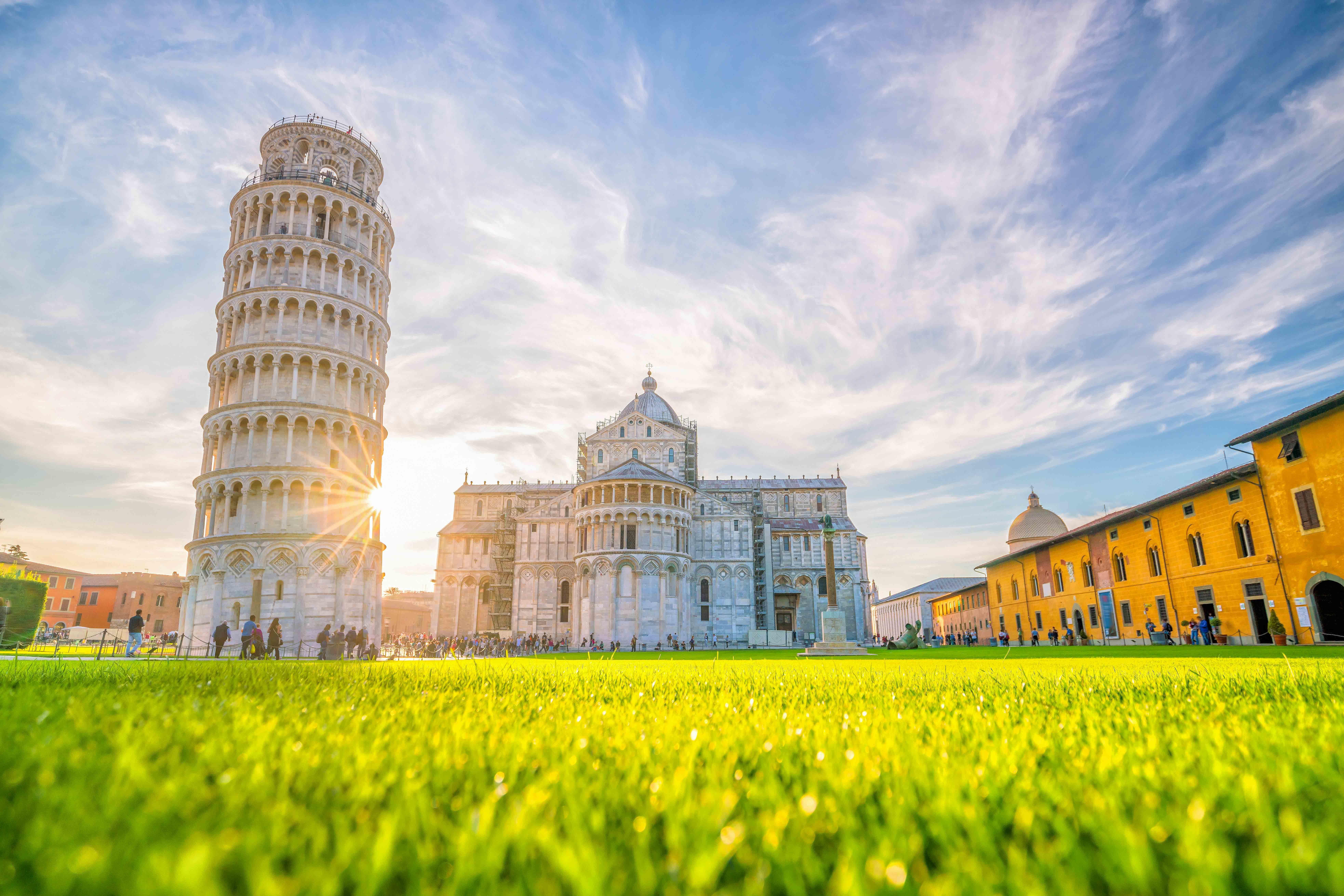
Tuscany Highlights: Pisa, Siena & San Gimignano Day Tour with Lunch
|
12 hr | ★ 4.6 | ✓ | ✓ | ✓ | ✓ | €49 | Book → |
|
Guided Experience
Small-Group Chianti Wine Tasting from Florence
|
4 hr 30 min | ★ 4.9 | ✓ | ✓ | ✓ | ✓ | €89 | Book → |
Worth it for wine lovers and scenic enthusiasts
A day trip from florence to tuscany wine tasting delivers authentic Chianti vineyard experiences just 60–90 minutes from the city. Small-group tours range from €80–130 and typically include two winery visits with guided tastings, cellar tours, and lunch featuring local olive oil and cheese. The Chianti hills provide rolling vineyard landscapes and medieval hilltop towns like Greve and Castellina. Entry to the wine region itself is free, though individual estates charge €15–25 for tastings if you visit independently. Organized tours solve transport logistics and provide expert commentary on Sangiovese production and Tuscan viticulture. The experience suits travelers who appreciate wine education over rushed sightseeing, though it demands a full day (typically 7–9 hours). Those seeking broader cultural coverage may prefer combined tours that add Siena or San Gimignano.
Bottom line: If wine is your primary interest and you have a full day to spare, Chianti wine tasting tours offer genuine vineyard immersion that justifies the time and cost.
They complement each other; most visitors who do both call the focused vineyard experience the more relaxing option for those prioritizing oenology, while sightseeing tours better suit travelers wanting to explore medieval town centers. Choosing a day trip from florence to tuscany wine tasting tour provides a specialized encounter with local viticulture, whereas multi-town excursions emphasize regional landmarks.
|
Top pick Chianti Wine Tasting |
Multi-Town Sightseeing | |
|---|---|---|
| Focus | Vineyard and cellar education | |
| Travel Time | 1–2 hours each way | |
| Activity Intensity | Low - seated tasting | |
| Historical Exposure | Viticulture heritage | |
| Wine Variety | Extensive regional labels | |
| Day trip from florence to tuscany wine tasting tickets | 0 EUR (Free entry) | N/A |
| See tickets & prices |
Verdict: Select the focused wine excursion to prioritize deep-dive terroir discovery, or book the multi-town day trip from florence to tuscany wine tasting tours to maximize exposure to historical architecture and urban landscapes across the province.
Hand-picked experiences loved by thousands of travelers
11 hours
Free Cancellation
Journey through Tuscany's finest medieval towns and vineyards with wine tasting and traditional cuisine
11 hours
Free Cancellation
Journey through medieval Siena, tower-studded San Gimignano, and Monteriggioni with vineyard tastings
7 hours 30 minutes
Free Cancellation
Intimate countryside escape visiting three organic estates with wine tastings and authentic meal
11 hours 30 minutes
Free Cancellation
Discover UNESCO-listed Tuscan countryside with visits to Montalcino, Pienza & Montepulciano plus wine tastings
7 hours
Free Cancellation
Escape to a working Tuscan farm for wine tasting, countryside walks, and hands-on pasta cooking
5 hours
Free Cancellation
Journey through Tuscany's rolling vineyards, sample wines at two family estates, and watch the sun set over the hills.
7 hours
Free Cancellation
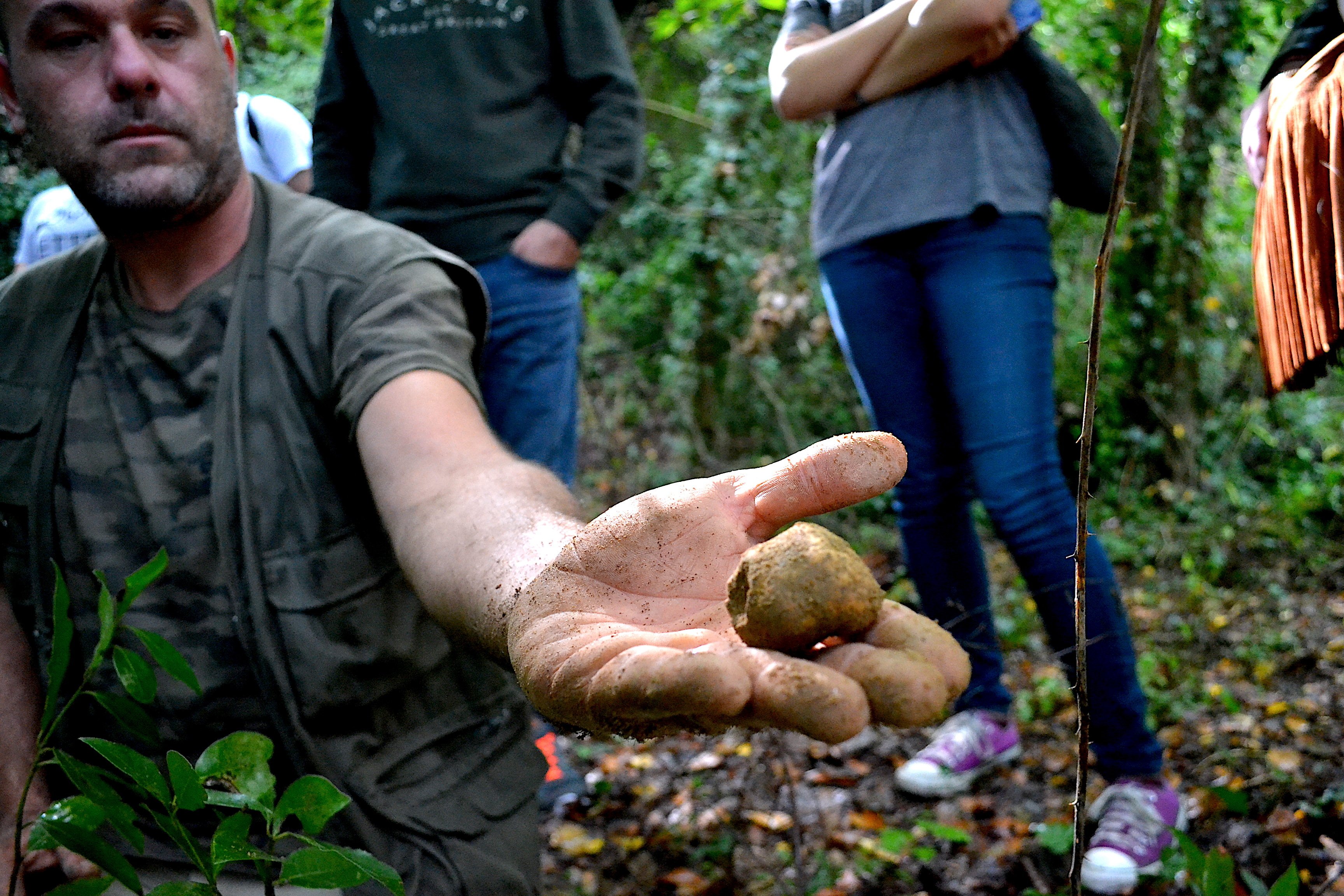
Track down precious white truffles with a trained dog in San Miniato's forests, then savor your finds over lunch and regional wines.
Depart Florence and arrive in Chianti during the best arrival window.
Guided tour of grape harvesting and estate grounds.
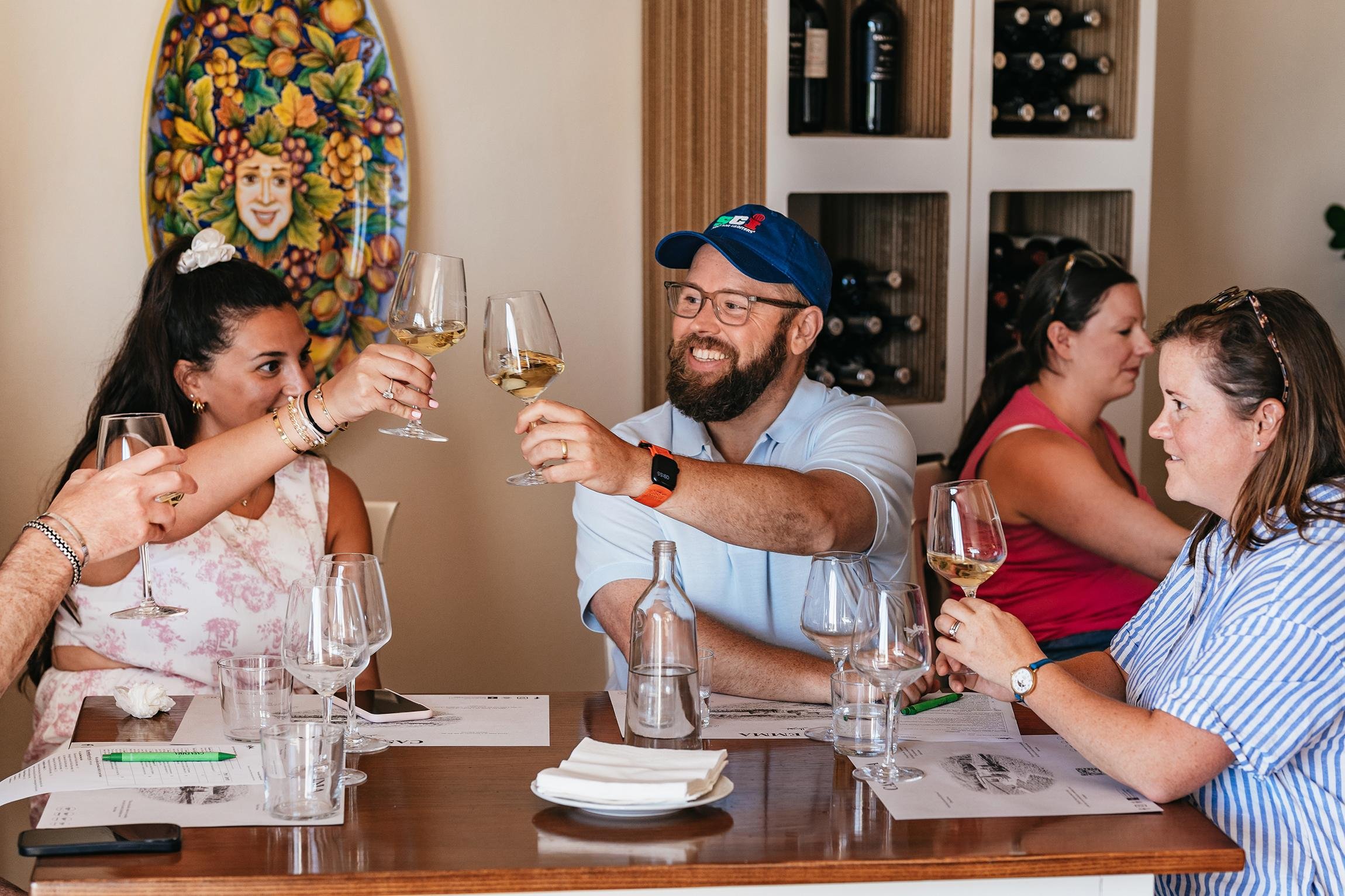
Structured tasting of local Chianti Classico vintages.
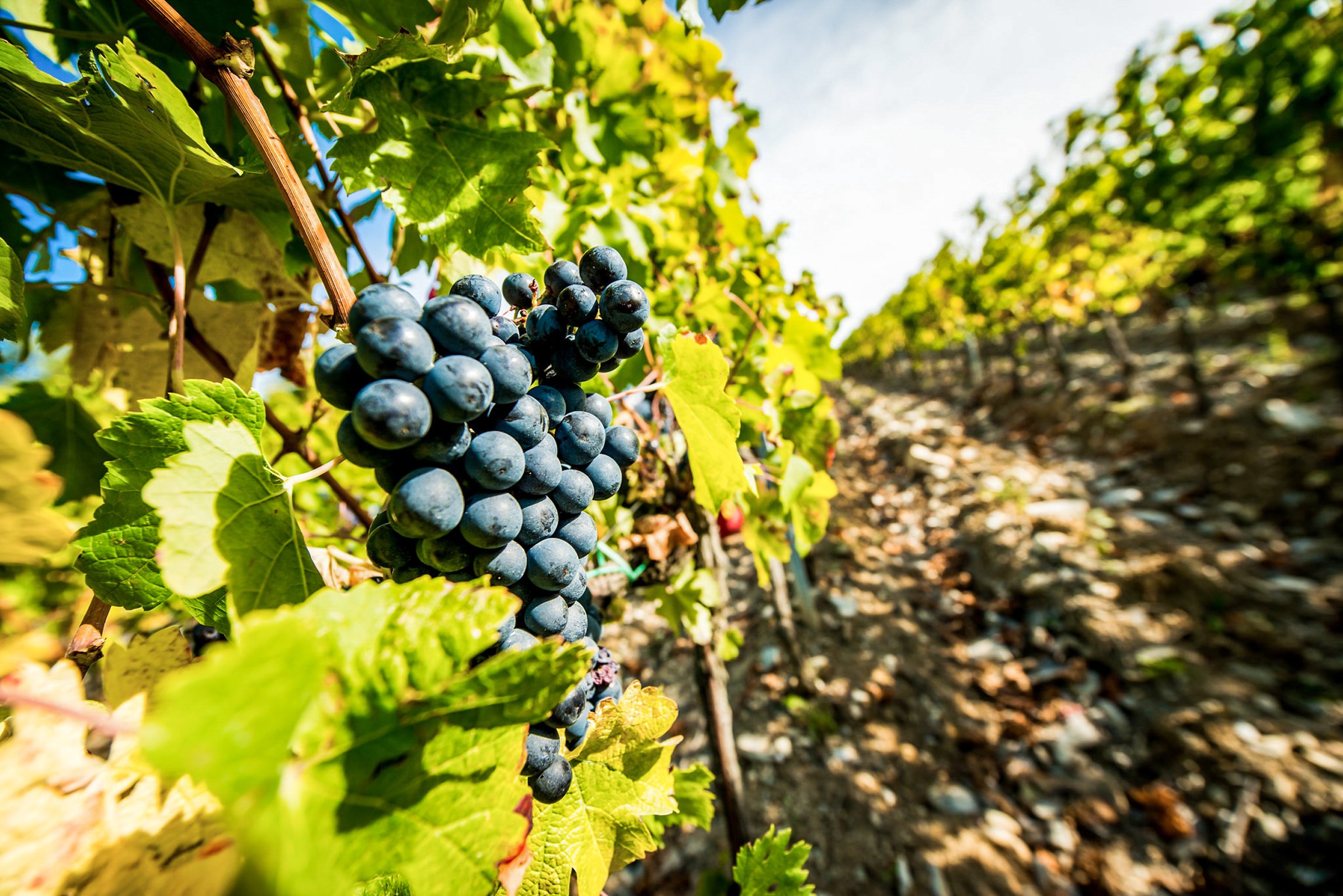
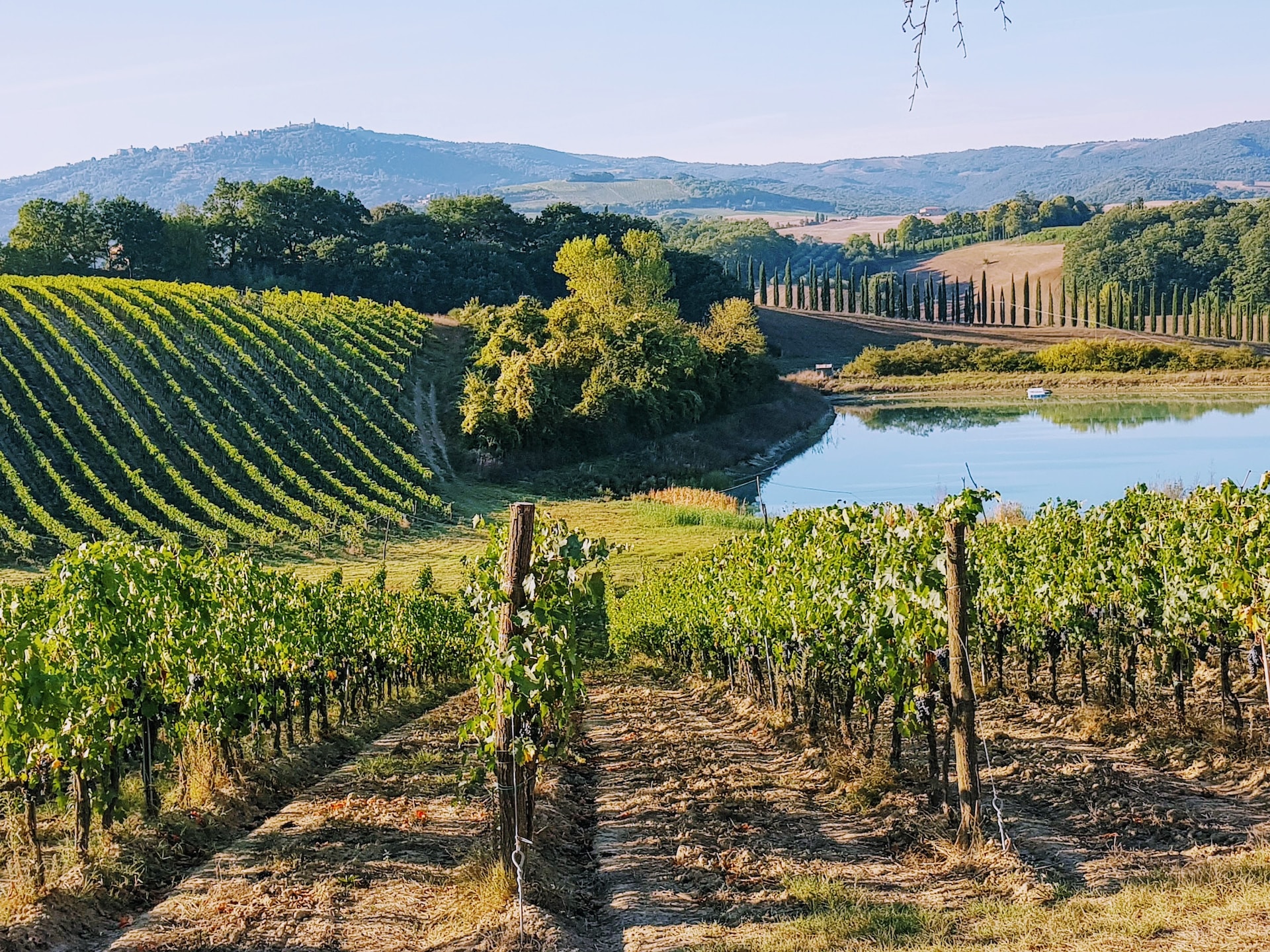
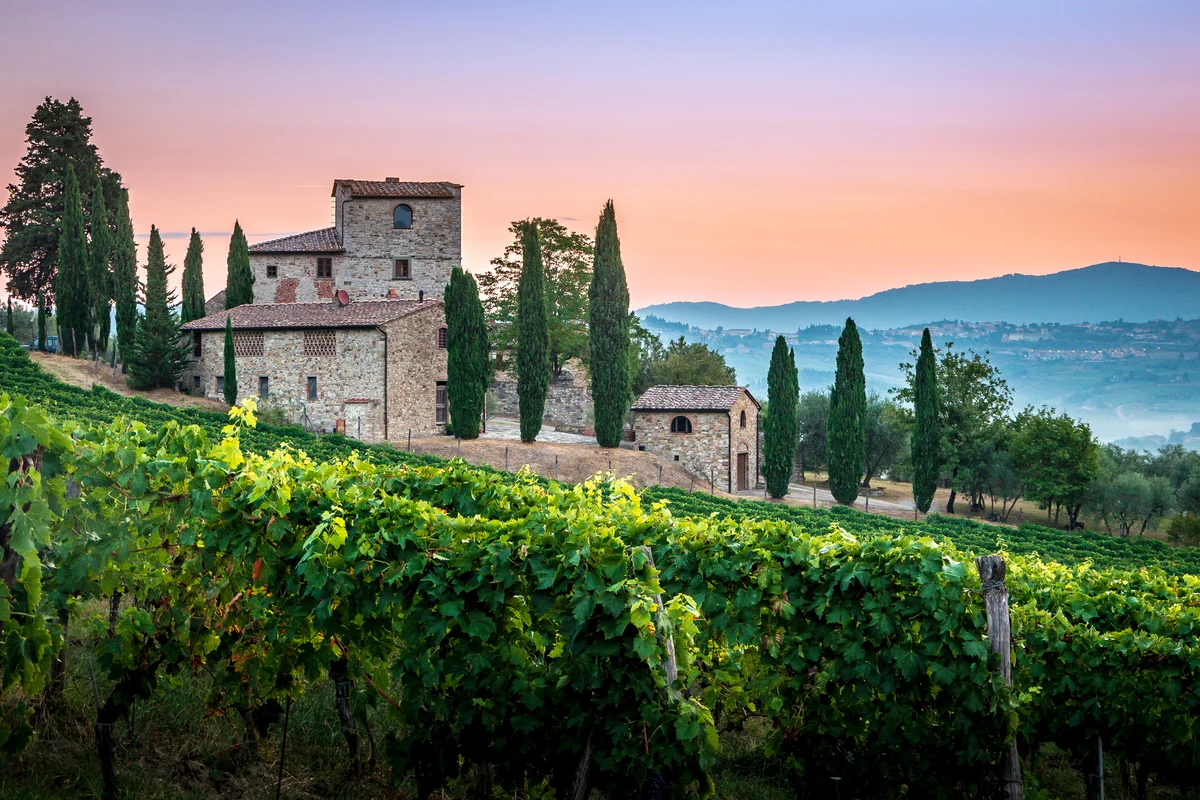
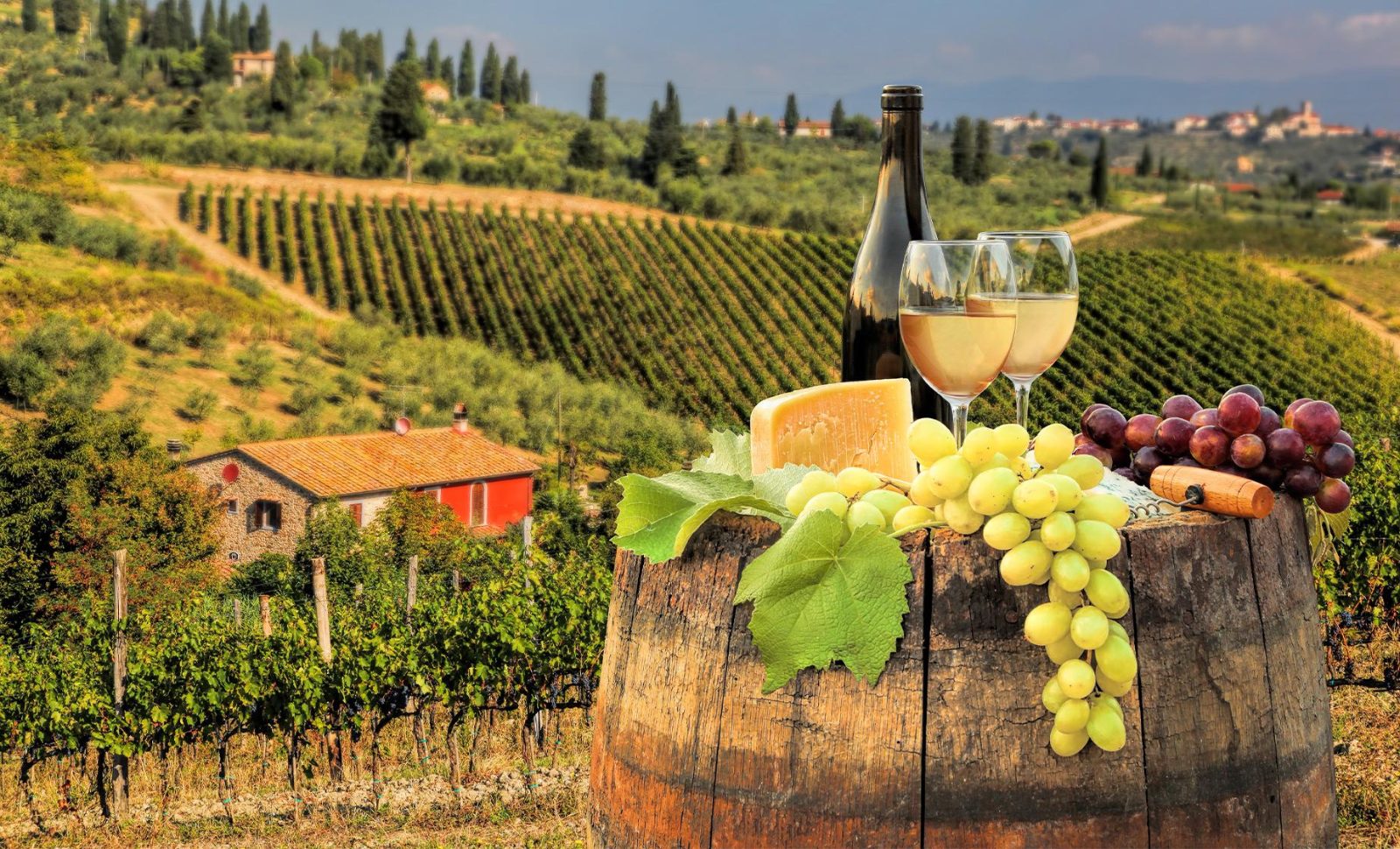
Rows of Sangiovese grapes spanning the hillsides of the Chianti Wine Region. The area has been producing wine for centuries.
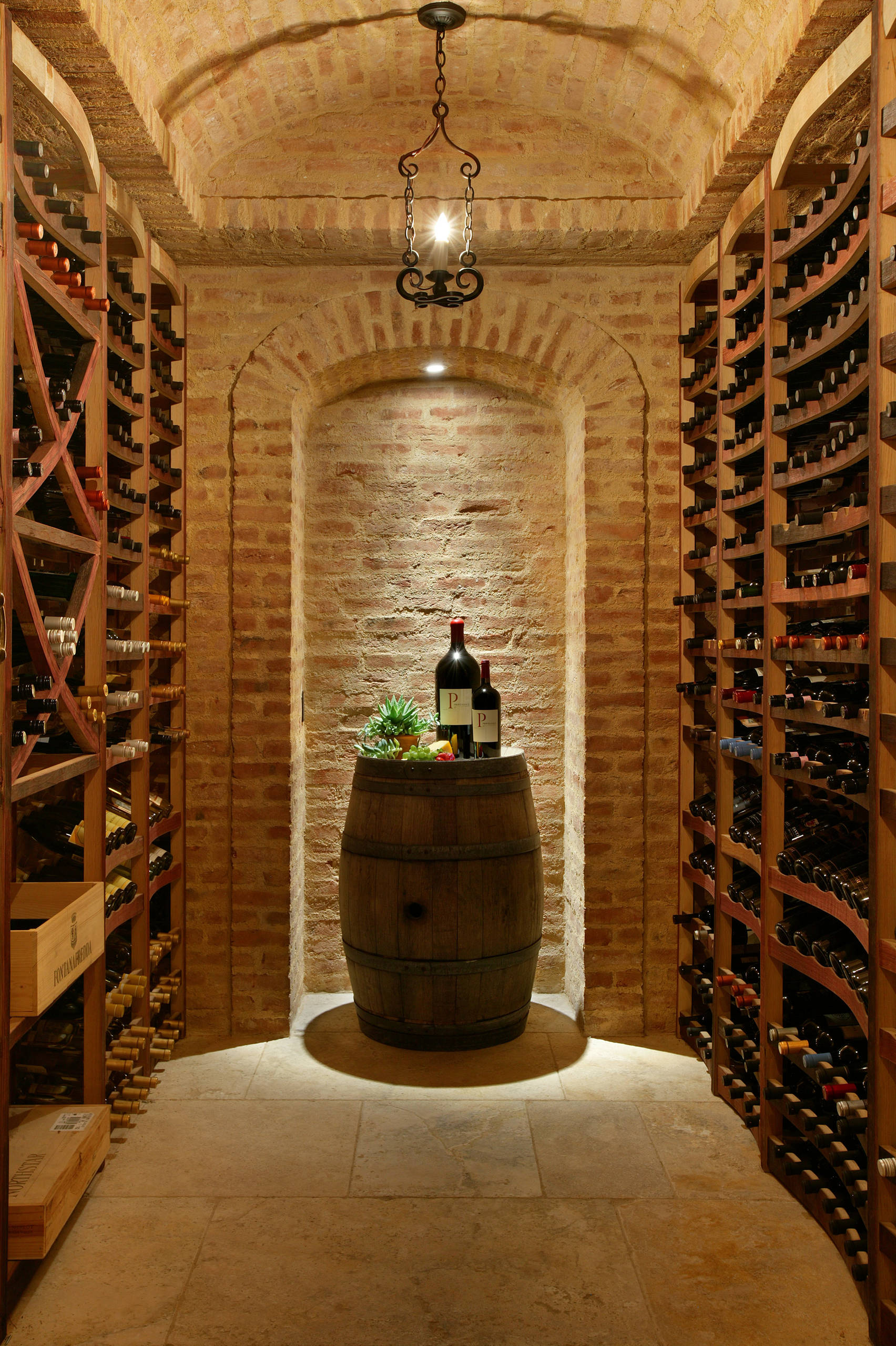
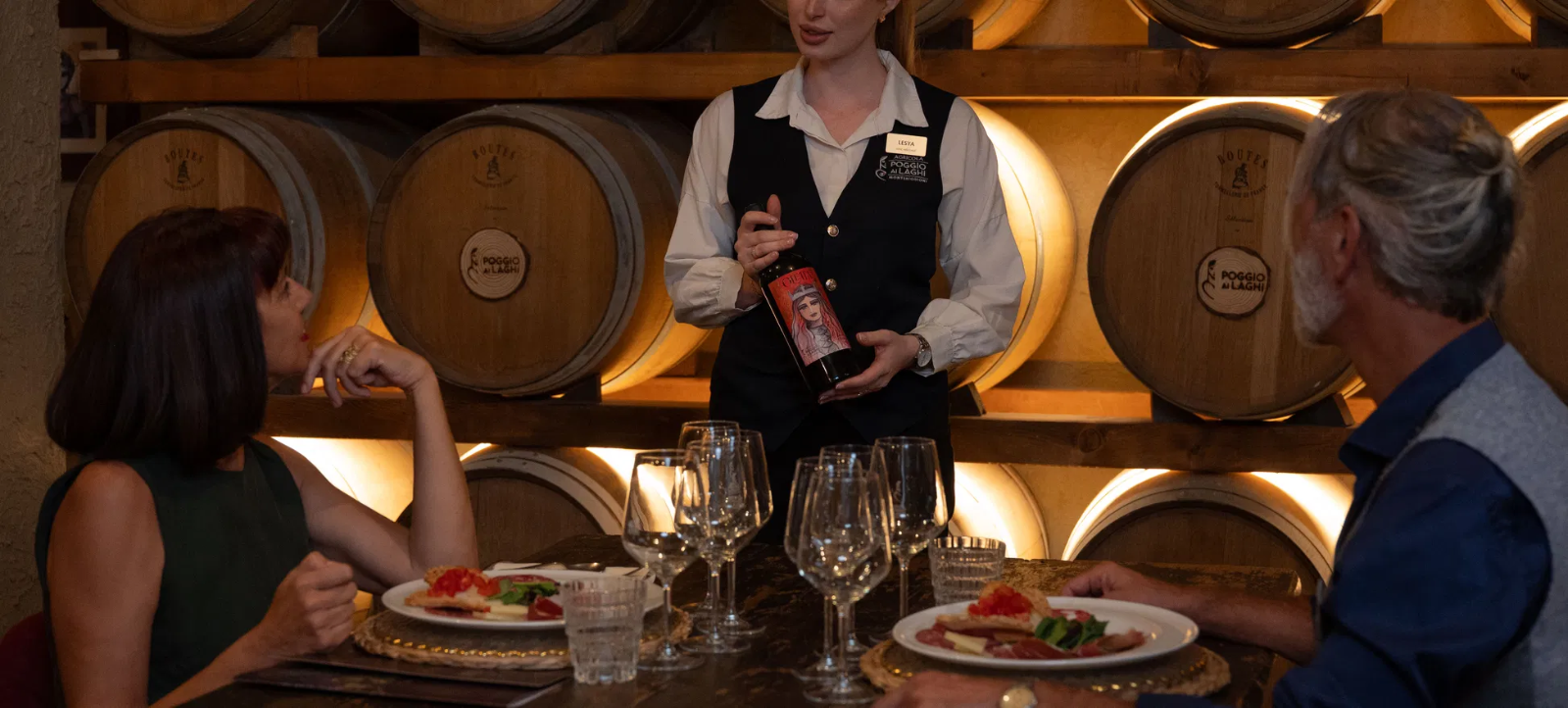
Underground aging rooms where traditional oak barrels store vintage reserves. These cellars maintain a constant cool temperature.
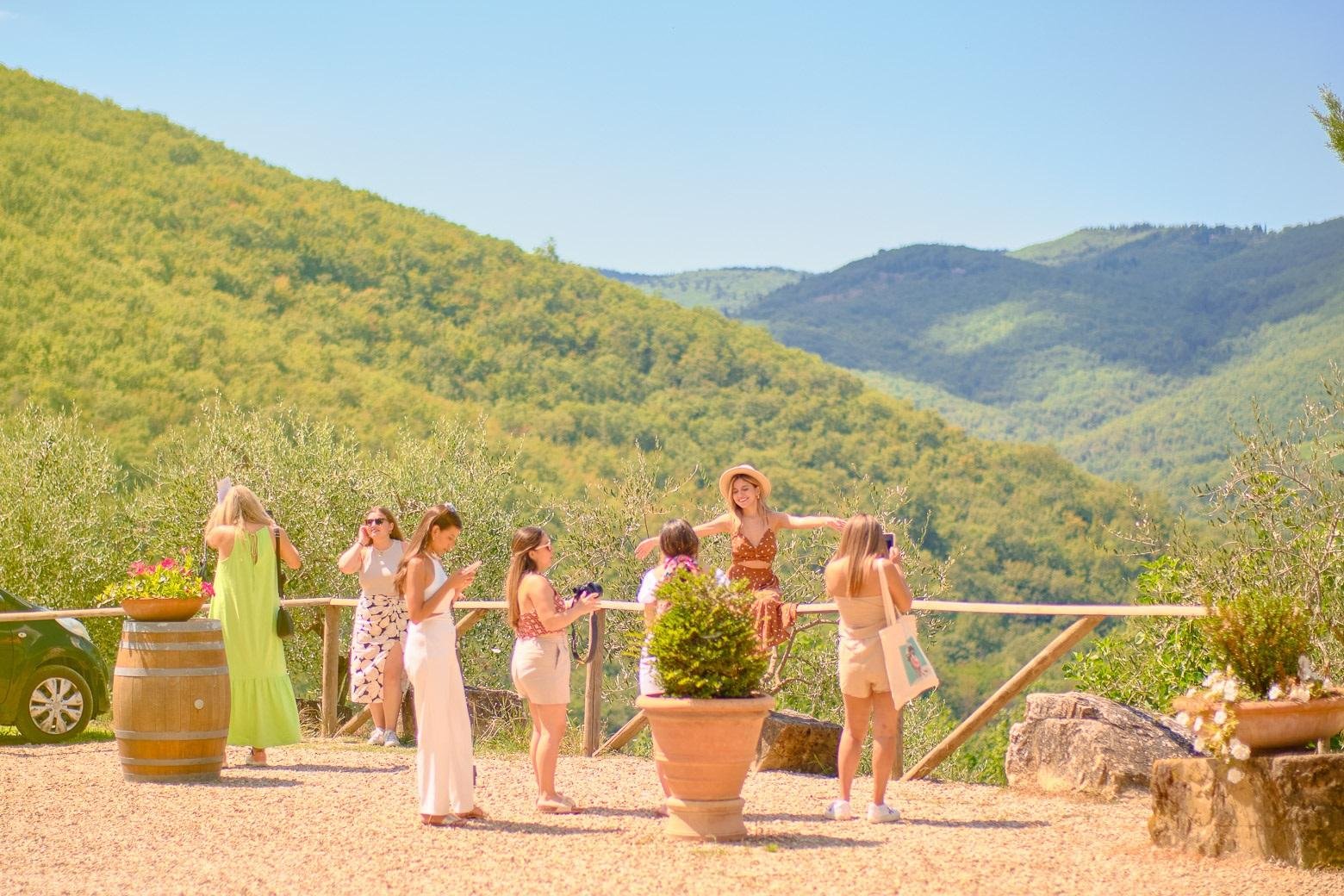
Outdoor seating areas overlooking the rolling Tuscan landscape. Visitors enjoy panoramic views while sampling local production.
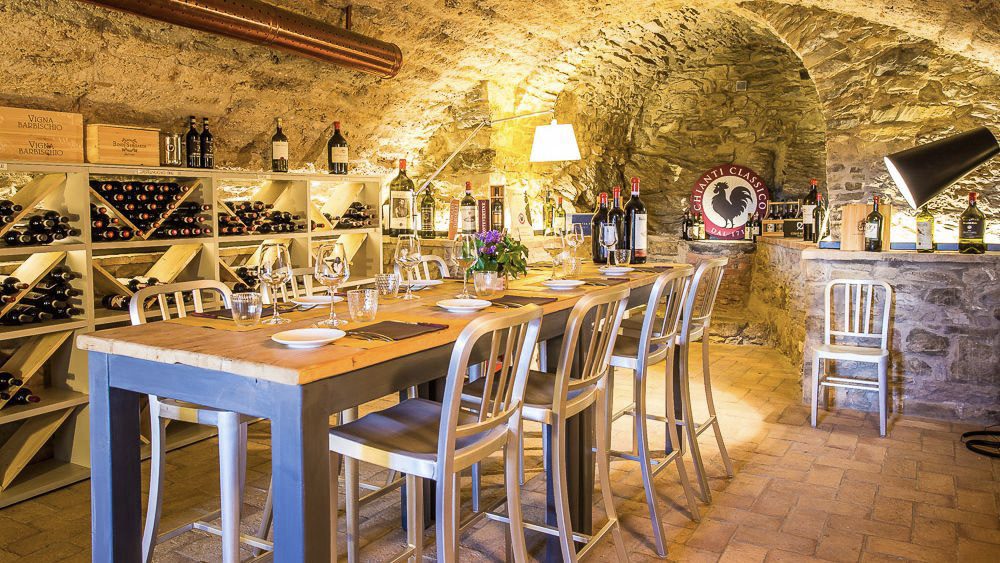
Elegant spaces for guided wine education and pairing sessions. These rooms provide insight into the Chianti Classico certification.
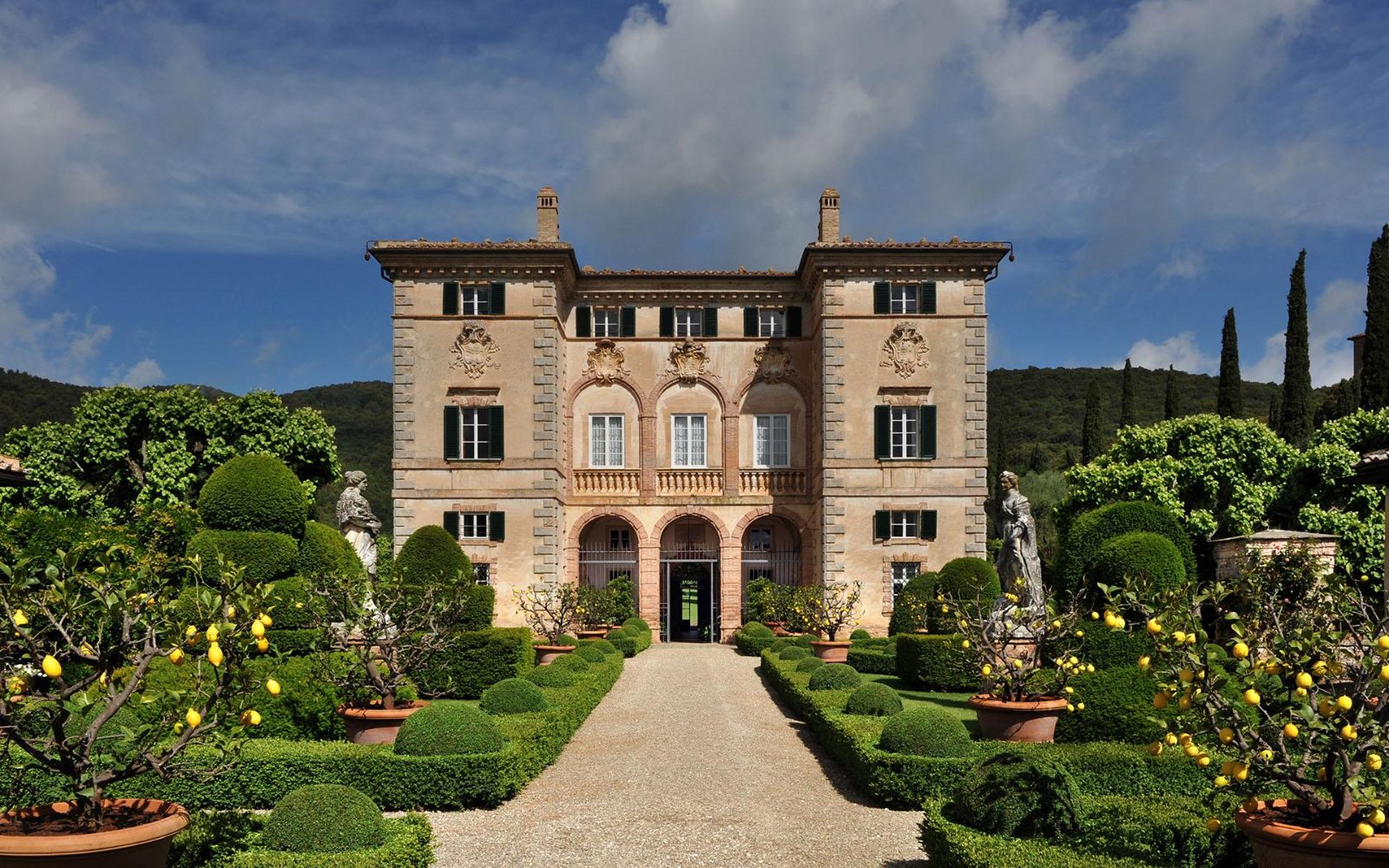
Formal garden spaces surrounding the main villa of an estate. These areas offer quiet spots to reflect between tastings.
You depart Florence by 9:00, crossing the Arno as your small-group vehicle climbs into the Chianti hills. Cypress-lined roads lead to your first estate, where a winemaker walks you through fermentation halls and barrel rooms carved into tufa stone.
You taste three vintages—Annata, Riserva, Gran Selezione—learning to identify cherry, violet, and leather notes in Sangiovese.
Lunch unfolds on a terrace overlooking vine rows: antipasto platters with pecorino aged in walnut leaves, panzanella salad, wild boar ragù over pappardelle. House Chianti arrives in unlabeled carafes. After the second estate tasting, you continue to San Gimignano, parking outside medieval walls. You walk cobblestone lanes past Vernaccia wine shops and climb the Torre Grossa for views across the Val d'Elsa. If your tour includes Siena, you enter through Porta Camollia and cross the shell-shaped Campo to the Duomo's striped marble facade. By 18:00, you return to Florence with three bottles secured in your bag and Tuscan clay still dusting your shoes.
All the details about your upcoming adventure in one place
The Chianti wine region produces seven million bottles of Sangiovese-based wine annually across 70,000 hectares of volcanic-clay hillsides between Florence and Siena. Vines planted by Etruscan settlers in the eighth century BC established viticulture patterns still visible in today's terraced slopes.
The Consorzio Vino Chianti Classico enforces the 1716 boundaries drawn by Cosimo III de' Medici, who defined the geography of legitimate Chianti production in Europe's first appellation decree. The black rooster seal—Gallo Nero—marks bottles from this historic core, distinguishing them from the broader Chianti DOCG zone that extends into eight provinces.
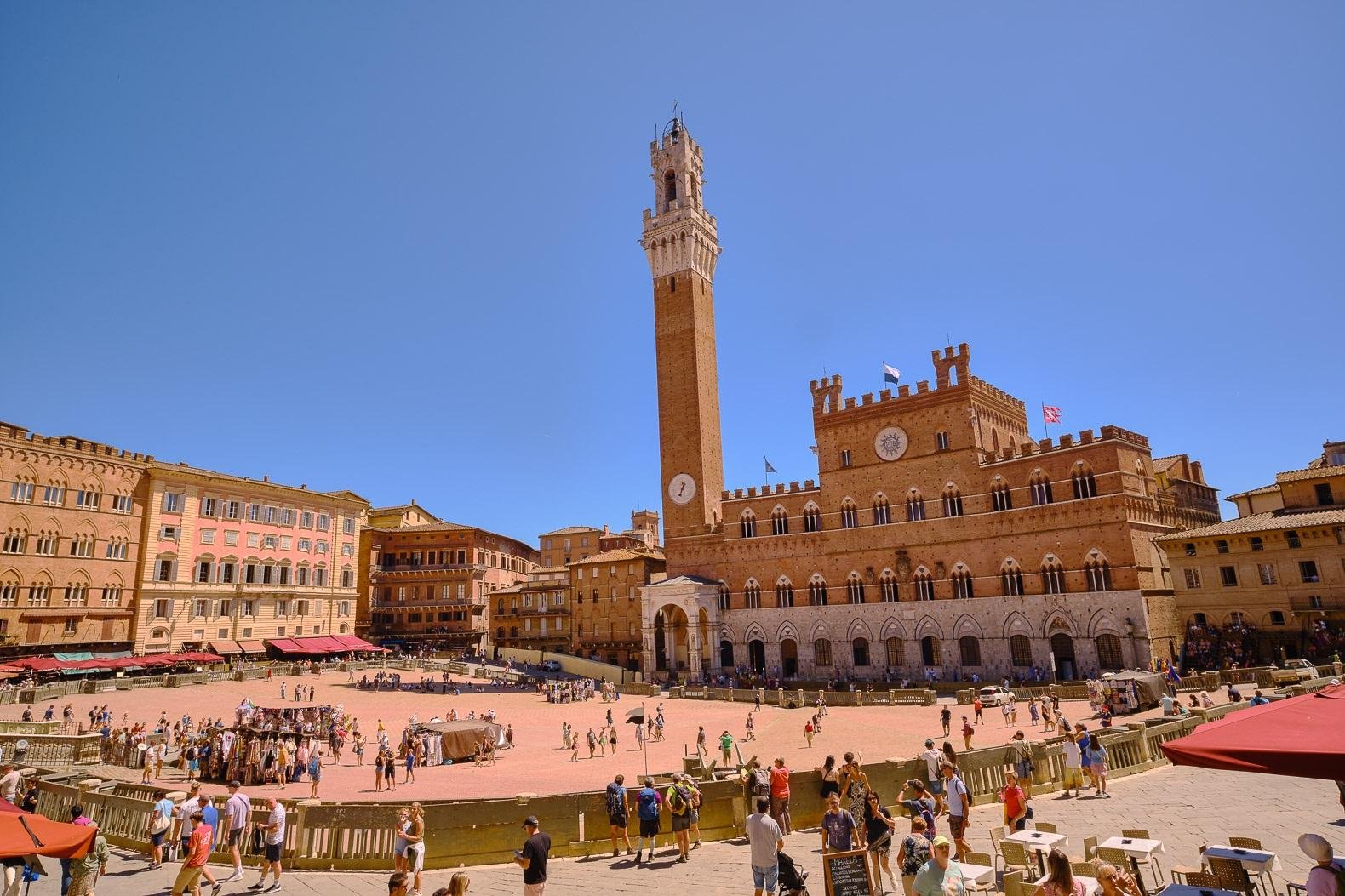
A day trip from Florence to Tuscany wine tasting reveals why this landscape earned UNESCO World Heritage designation in 2004. Stone farmhouses converted into agriturismi dot hilltops where Sangiovese vines grow alongside olive groves in the mezzadria sharecropping pattern. Medieval towers punctuate the horizon at San Gimignano, where fourteen of seventy-two original structures still stand. Siena's Campo, site of the Palio horse race since 1656, anchors the southern boundary. The Via Chiantigiana—State Road 222—ribbons through Greve, Panzano, and Castellina, linking estates that open barrel rooms and tasting salons to visitors daily.
Winery architecture ranges from thirteenth-century castle cellars to contemporary fermentation halls designed by Renzo Piano. At Castello di Brolio, the Ricasoli family has produced wine since 1141; Baron Bettino Ricasoli formulated the modern Chianti blend in 1872 using Sangiovese, Canaiolo, and white Malvasia grapes. Today's winemakers favor temperature-controlled steel for primary fermentation, then age Riserva bottlings in Slavonian oak botti for twenty-four months. Tasting protocols follow a structured sequence: Chianti Classico at 12.5 percent alcohol, then Riserva at 13 percent, concluding with Vinsanto dessert wine made from air-dried Trebbiano and Malvasia grapes.
Small-group Chianti tours from Florence typically visit two to three estates, pairing tastings with Tuscan lunch—ribollita, pappa al pomodoro, bistecca alla fiorentina. Guides explain the Governo all'Uso Toscano technique, a secondary fermentation method revived in recent decades. Spring brings wild poppies across the Crete Senesi clay hills; autumn harvests run from late September through October, when mechanical pickers work hillside rows too steep for hand collection. The region's 9:00 to 18:00 accessibility window accommodates morning departures that avoid midday heat and return visitors to Florence by evening.
The black rooster seal marks bottles from the historic core, distinguishing them from the broader Chianti DOCG zone that extends into eight provinces.
Casual and comfortable attire is recommended for a day trip from florence to tuscany wine tasting. Sturdy footwear is helpful when walking through vineyards.
Smaller bags are preferred during a day trip from florence to tuscany wine tasting tour to ensure comfort. Large luggage may not be permitted inside small cellar spaces.
Personal photography is generally permitted during a day trip from florence to tuscany wine tasting tickets holders' visits. Please respect private estate signage and avoid disturbing ongoing agricultural work.
Many estates welcome families on a day trip from florence to tuscany wine tasting, though tastings are strictly for adults. Ensure children remain supervised near heavy machinery or deep cellars.
Vineyard terrain can be uneven during a day trip from florence to tuscany wine tasting excursions. Contact specific estates to confirm if they offer accessible cellar tours.
Outside food is not permitted at tasting rooms during a day trip from florence to tuscany wine tasting. Most estates provide paired snacks or full meals as part of their service.
Opening Hours
09:00–18:00
Address
Chianti Wine Region, Tuscany, Italy
Accessibility
Varies by winery; please verify specific estates for mobility access.
Arrival Recommendation
09:00–11:00
Region
Chianti, Tuscany
Car · 01:00 · Varies by rental
Follow the SR222 Chiantigiana road for a scenic drive from Florence to the heart of the region.
Public transport · 01:30 · Bus fare applies
Regional bus services operate from Florence to major towns within the Chianti region.
Individual wineries maintain unique terms for a day trip from florence to tuscany wine tasting. Check specific booking confirmations for refund eligibility regarding the 0 EUR entrance fee base.
Recommended time
Full day
Planning your day trip from florence to tuscany wine tasting requires careful timing to enjoy the rolling vineyards and cellar tours without the midday rush. By following the best arrival window of 09:00–11:00, you ensure a smoother experience at each estate before the largest tour groups arrive. These day trip from florence to tuscany wine tasting tours generally span several hours, and while entrance to the region is 0 EUR, you should account for transit between picturesque hilltop villages. Securing your day trip from florence to tuscany wine tasting tickets in advance helps maintain a steady pace throughout the afternoon.
Crowd levels through the day
Weather · crowds · average price — dots go green to amber to red as each metric rises.
Mild temperatures and blossoming landscapes make this ideal for outdoor tours.
Warm weather with long daylight hours; perfect for vineyard photography.
The harvest season offers unique insight into traditional winemaking processes.
Reserve your day trip from florence to tuscany wine tasting in advance to secure availability.
Carry water during your day trip from florence to tuscany wine tasting tours to manage vineyard heat.
Ensure you have arranged safe transport for your day trip from florence to tuscany wine tasting tour.
Piazza della Stazione
Primary transit hub for regional departures.
Get directionsTuscan viticulture traces back to the Etruscans in the eighth century BCE, who cultivated vines on terraced hillsides and stored wine in terracotta amphorae. The Romans expanded these practices after 300 BCE, codifying vineyard management techniques that survived through the medieval period. By 1398, Florence's merchant guilds regulated wine quality through the Arte dei Vinattieri, establishing standards that prefigured modern appellations. The Chianti region, formalized under Cosimo III de' Medici's 1716 edict, became the first legally defined wine zone in the world, centuries before France's AOC system. The modern Chianti Classico consortium emerged in 1924 when thirty-three producers adopted the Gallo Nero emblem to combat counterfeit labeling. Post-war industrialization nearly destroyed Tuscany's wine reputation. The 1970s governo all'uso toscano method, which added dried grape must to trigger secondary fermentation, produced thin, acidic wines that damaged export markets. A small group of winemakers in Montalcino and Bolgheri rejected DOC regulations in the 1980s, blending international varietals with Sangiovese to create the Super Tuscans. This rebellion forced regulatory reform and elevated Tuscan wines to global prestige. Today a day trip from florence to tuscany wine tasting reveals both the medieval cellars of Greve and the modernist architecture of wineries like Antinori nel Chianti Classico, which opened in 2012. The 1996 revision of Chianti Classico DOCG rules reduced maximum yields and increased minimum Sangiovese percentages to eighty percent, restoring varietal character. Climate change now threatens the equilibrium that Renaissance growers documented. Harvest dates have advanced two weeks since 1980, forcing estates to plant at higher elevations and experiment with drought-resistant rootstocks. The tradition of mezzadria sharecropping, which shaped vineyard layouts until its 1964 abolition, still defines the patchwork landscape visible on wine tasting tours through the Val d'Orcia and Val di Pesa.
Etruscans plant vines on Tuscan hillsides and develop terracotta storage techniques
Cosimo III de' Medici issues the first legal definition of the Chianti wine zone
Thirty-three Chianti producers form a consortium and adopt the Gallo Nero seal
Industrial overproduction and governo method damage Tuscany's wine reputation
Super Tuscan rebels blend Cabernet and Merlot with Sangiovese outside DOC rules
Chianti Classico DOCG revision raises quality standards and minimum Sangiovese content
Antinori nel Chianti Classico winery opens, symbolizing modern architectural investment
Climate shifts force vineyards to higher elevations as harvest dates advance two weeks
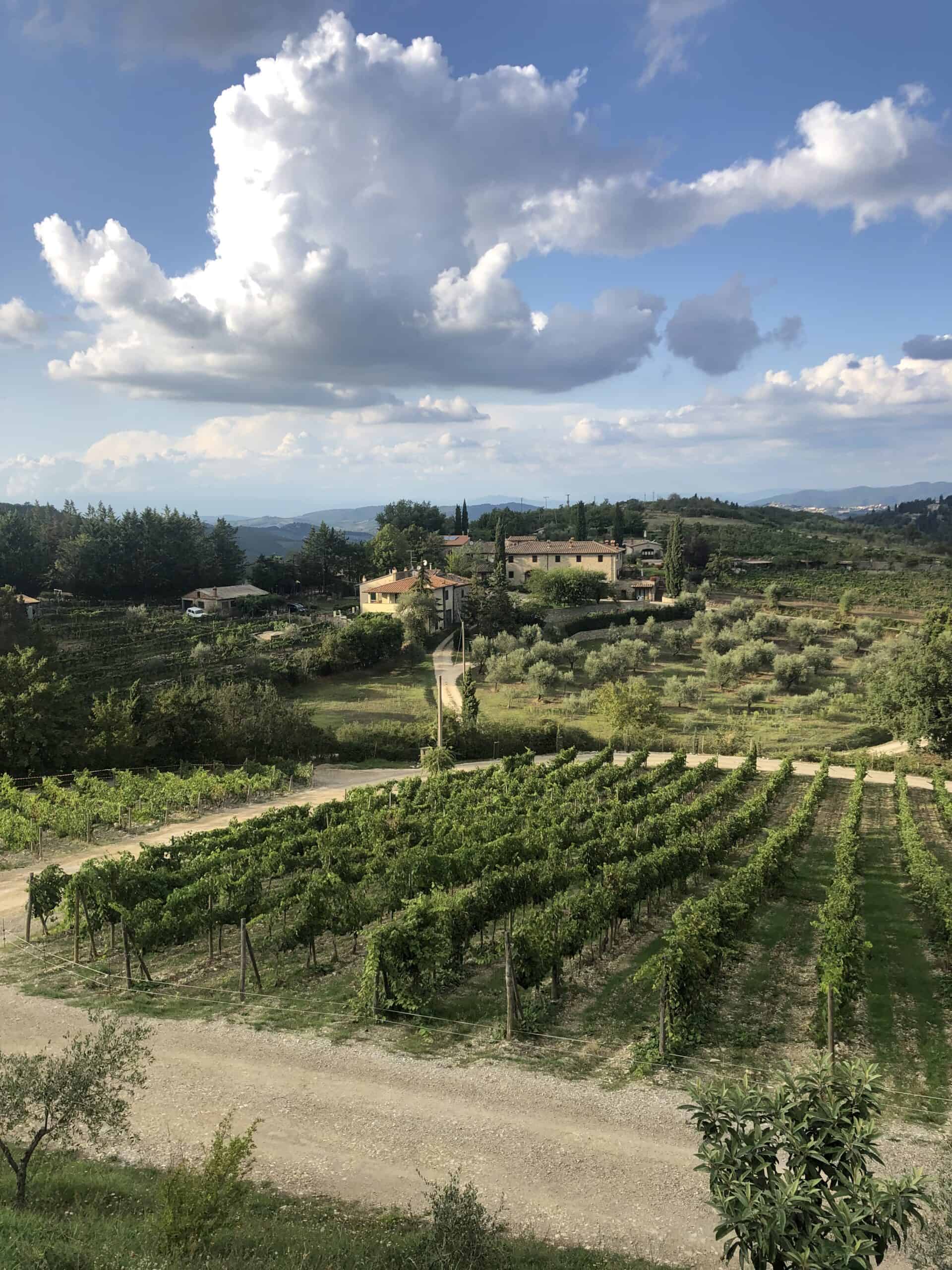
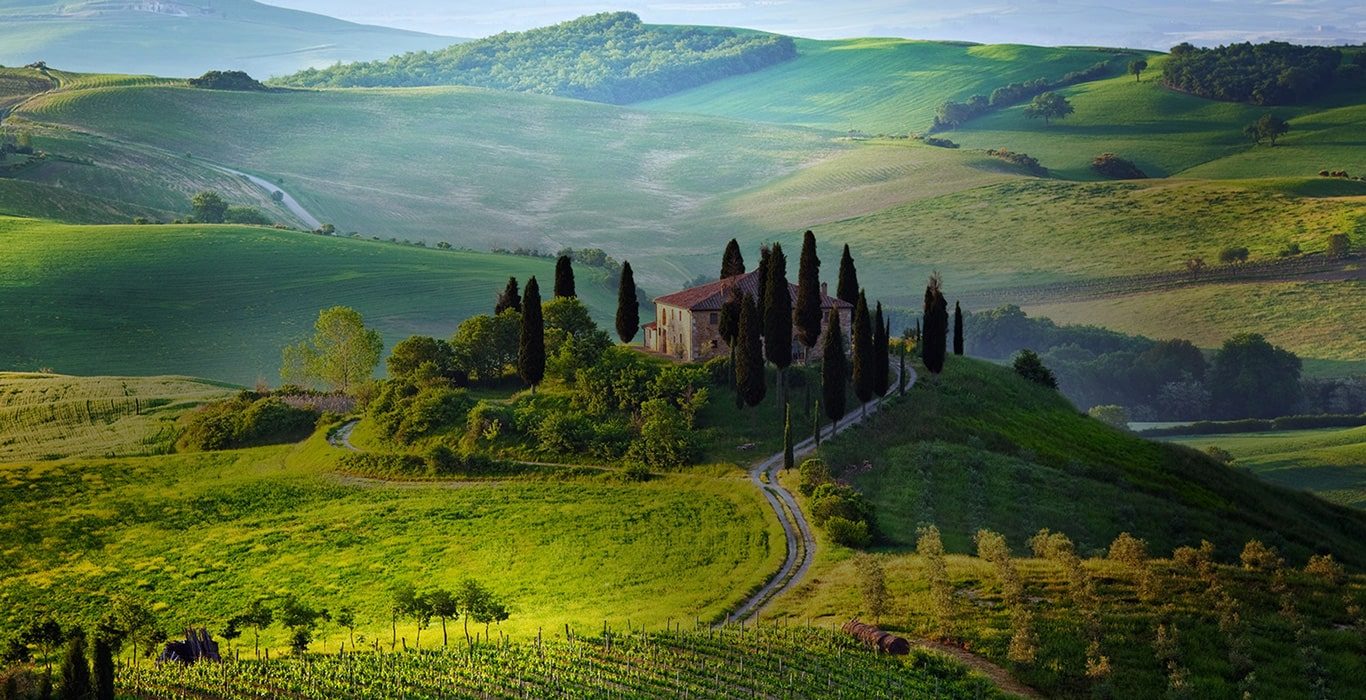
This viewpoint offers a wide-angle perspective of the rolling hills and orderly vines, perfect for capturing the essence of a day trip from florence to tuscany wine tasting.
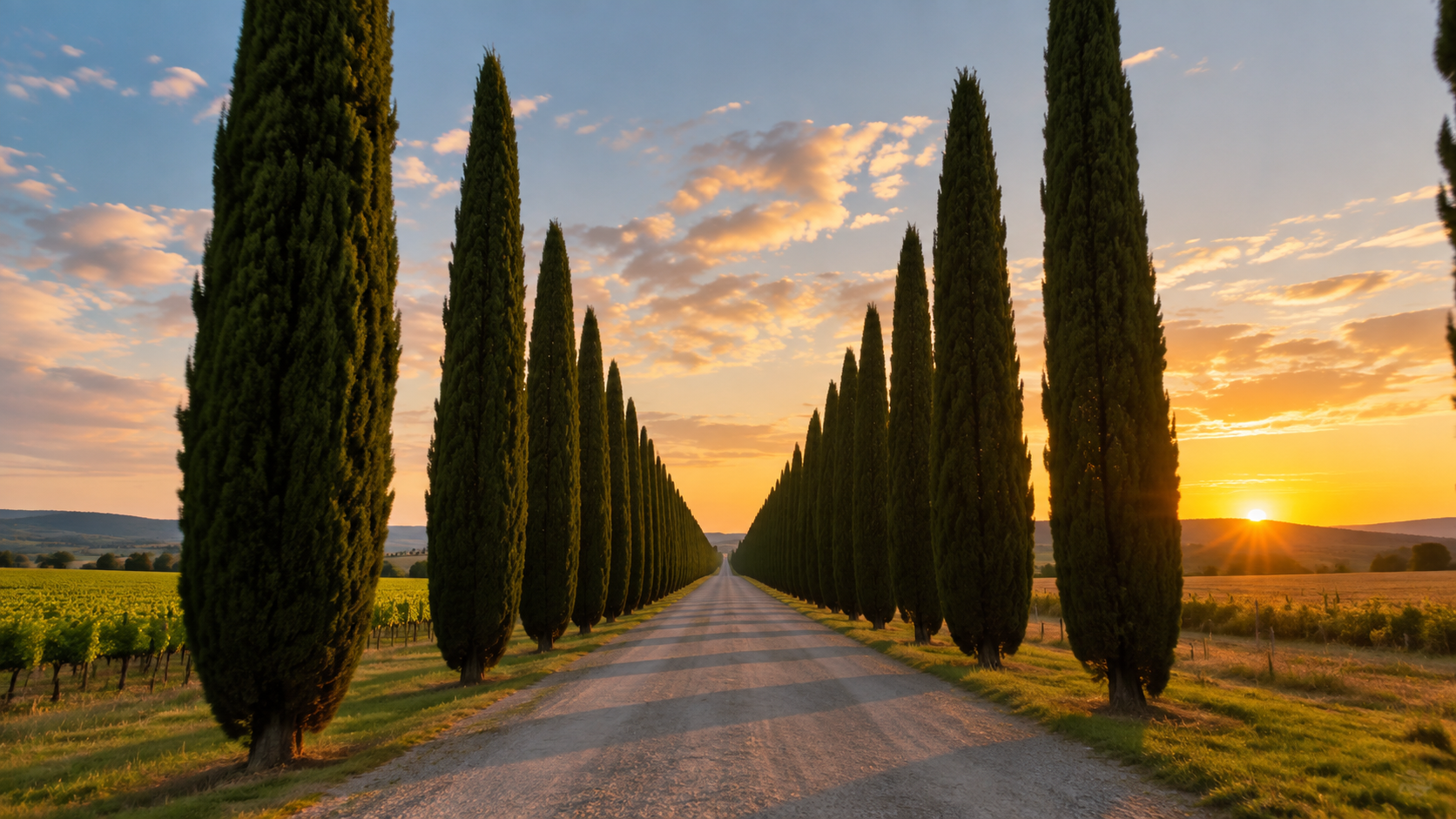
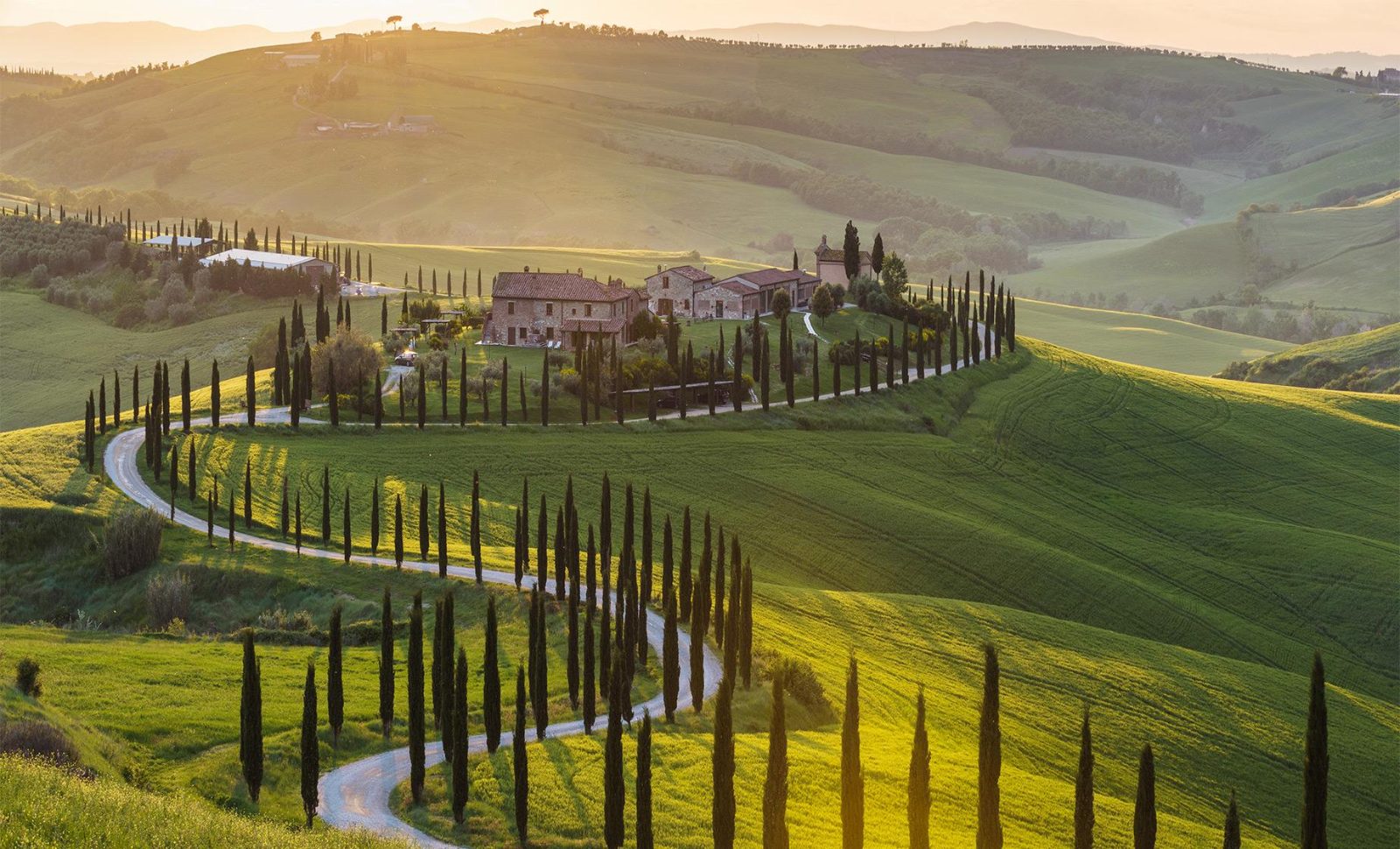
Stand at the beginning of this iconic road in Bolgheri to capture the classic symmetrical path of cypress trees leading toward the horizon.
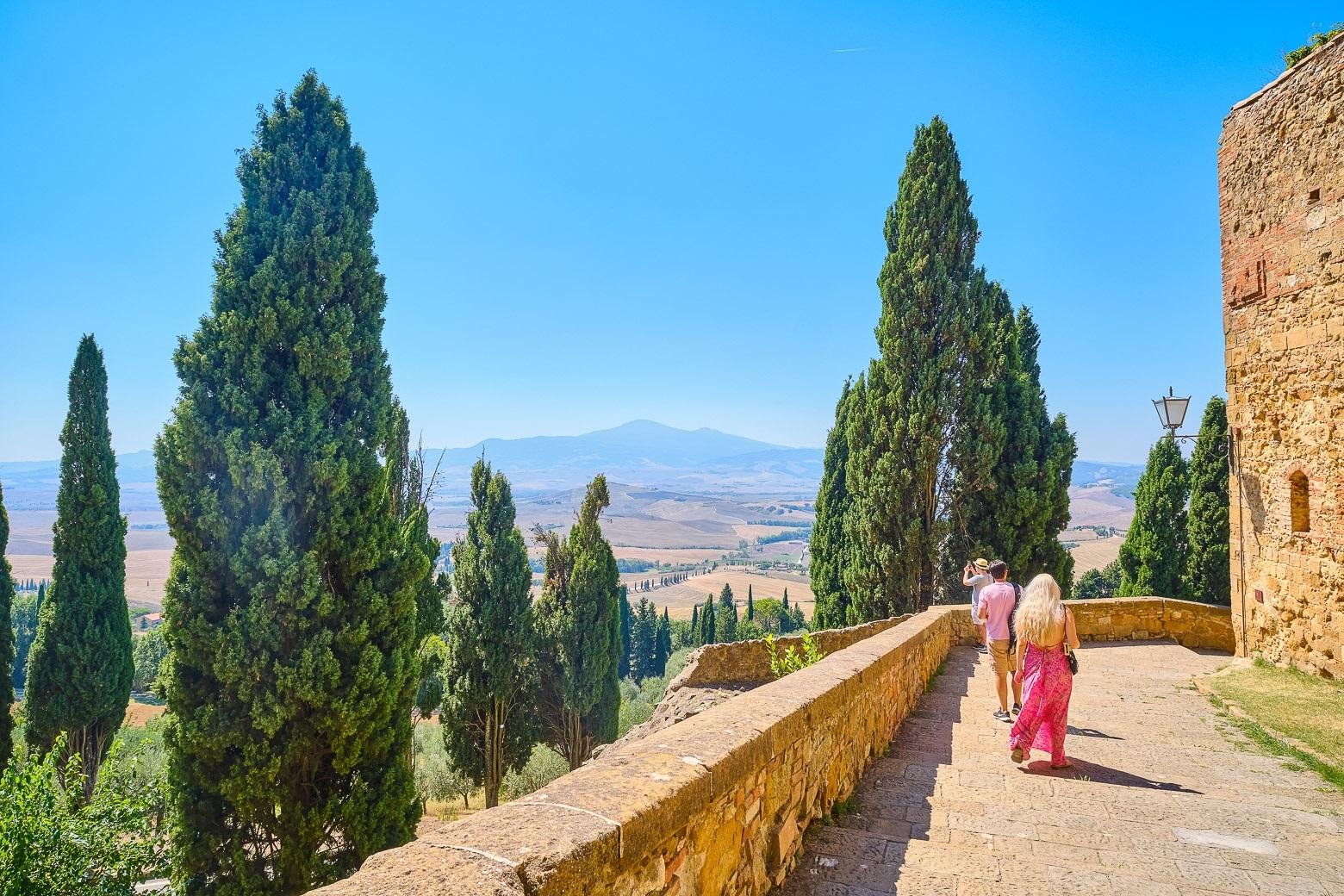
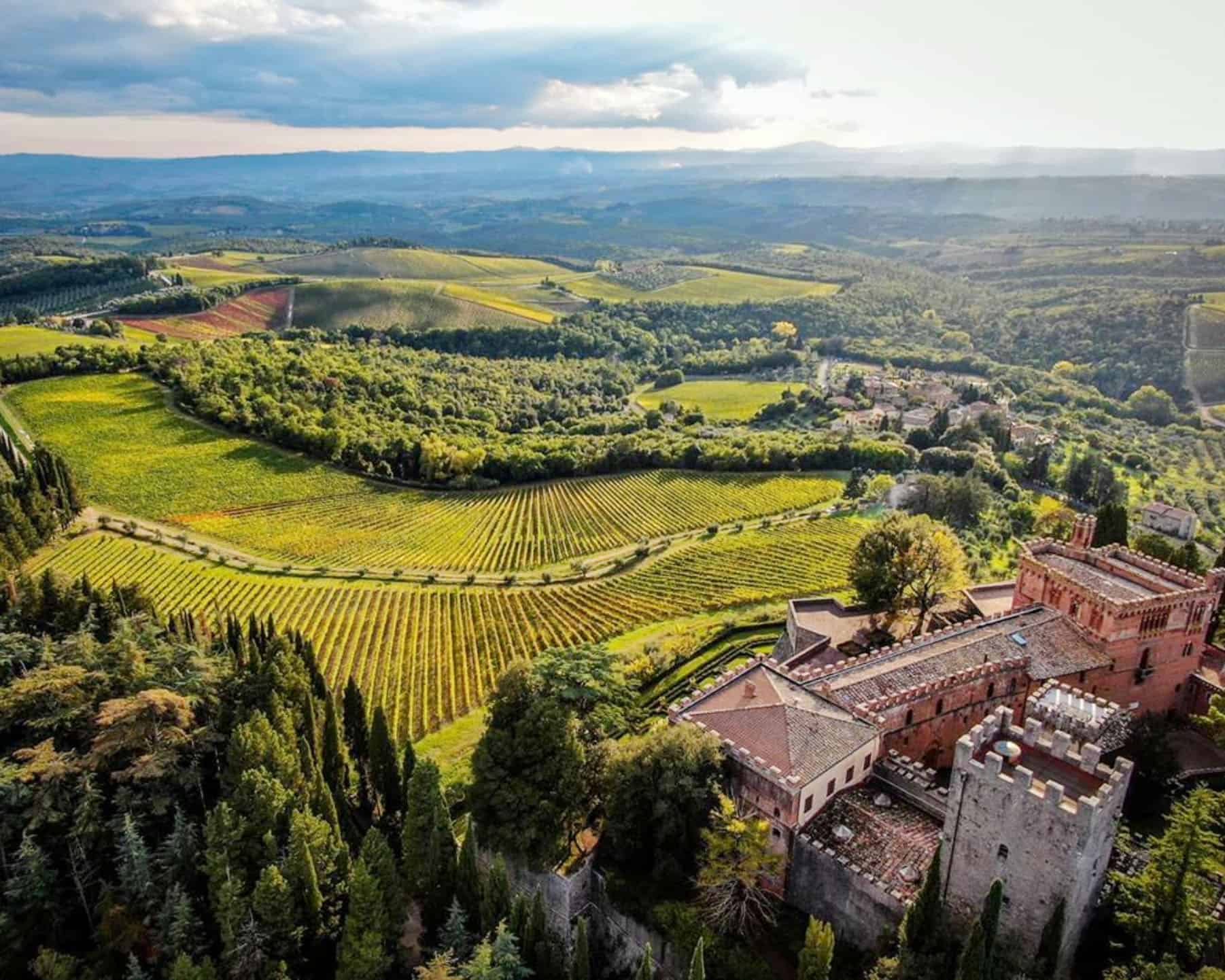
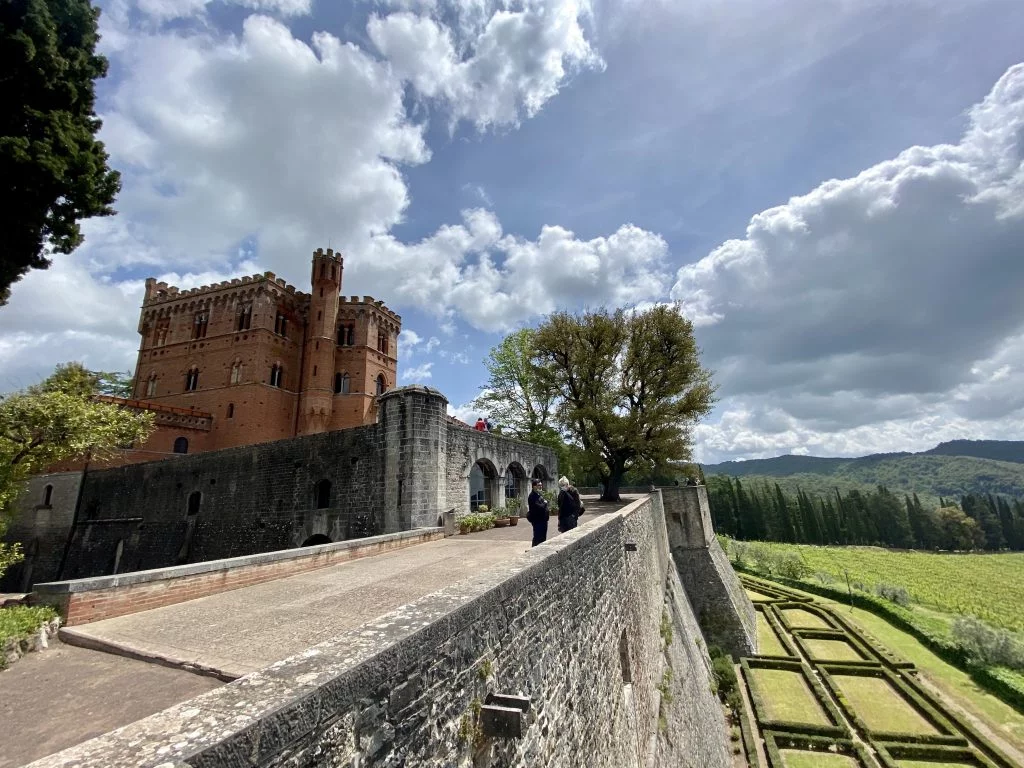
Position yourself on the stone ramparts for an elevated look at the Chianti Classico terrain and the surrounding manicured gardens.
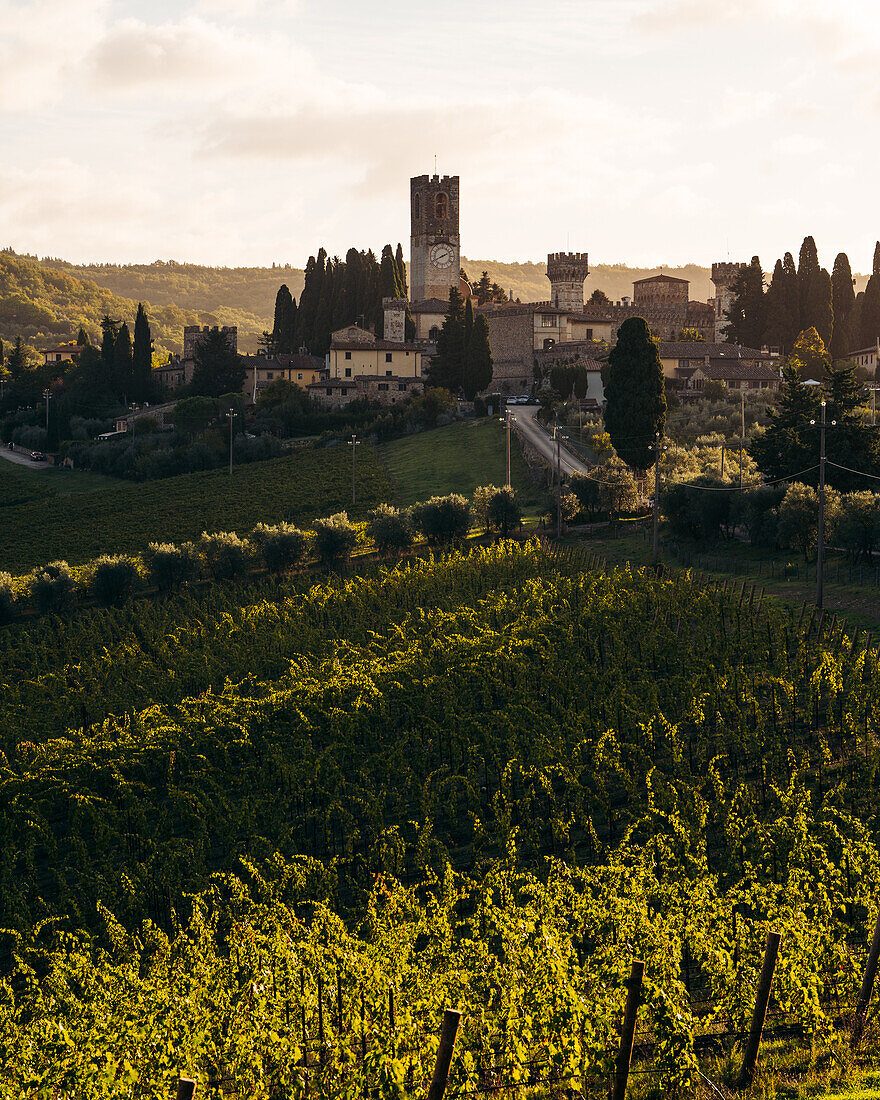
Capture the juxtaposition of the ancient stone monastery architecture against the backdrop of dark green forest and autumn-toned vineyard slopes.
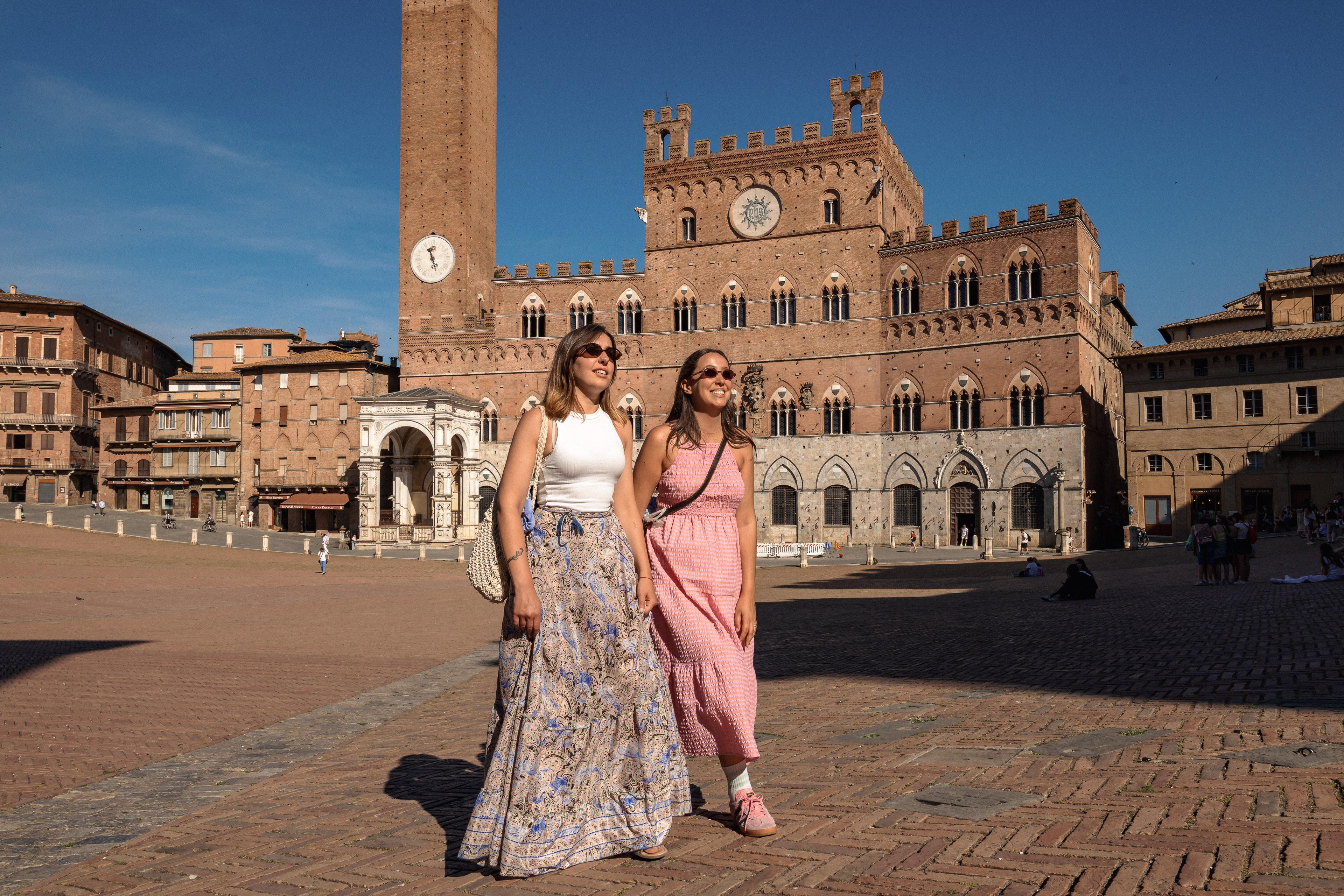
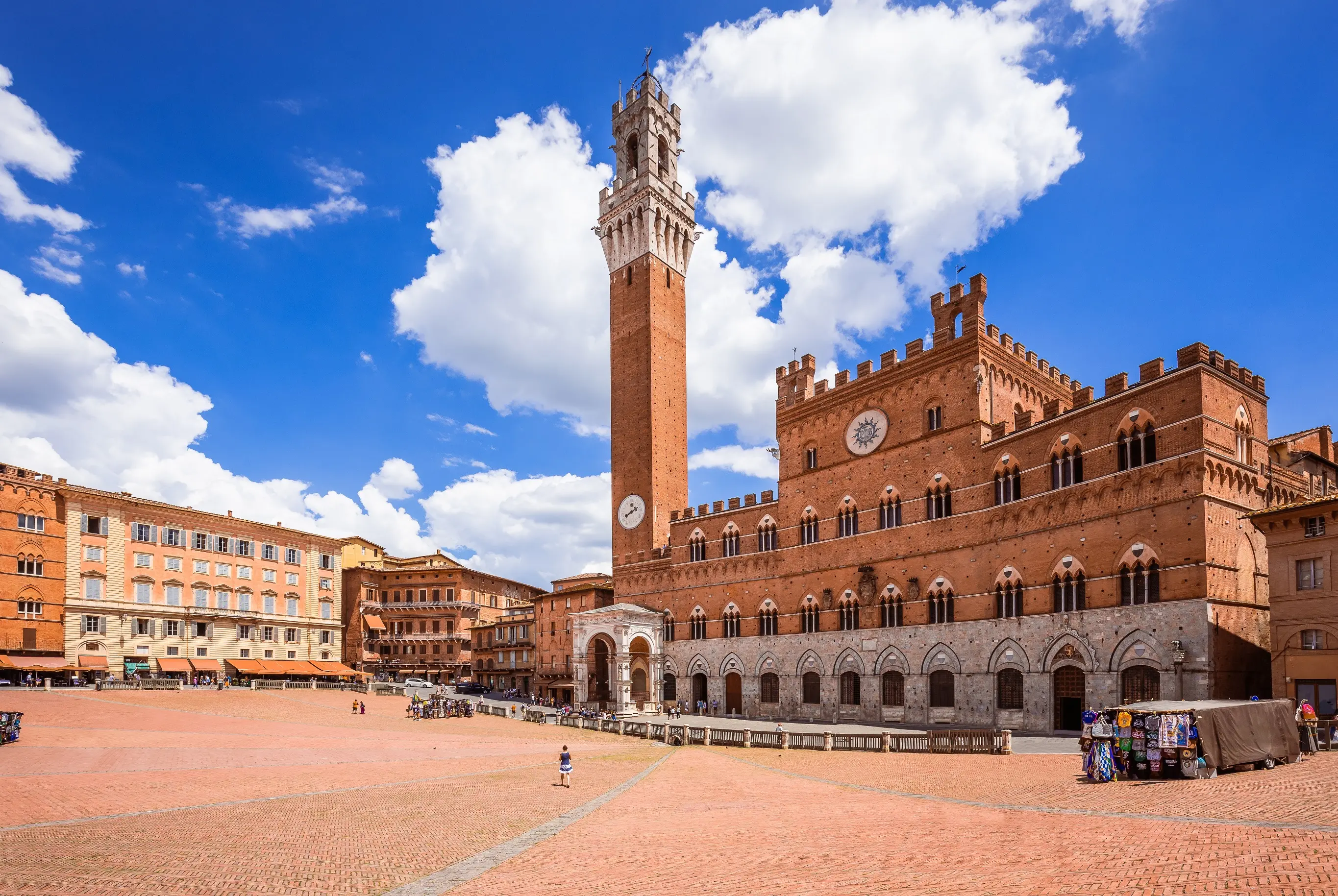
Frame the medieval shell-shaped square from the higher ground near the Fonte Gaia to include the tower and historic brickwork.
Exploring the rolling hills on a day trip from florence to tuscany wine tasting is manageable with children if you prioritize outdoor space over confined indoor cellars. Planning your visit around local harvests and open-air vineyard walks allows the whole family to enjoy the landscape of the Chianti Wine Region.
Use a sturdy all-terrain stroller for unpaved vineyard paths, as many historic estates feature gravel walkways that are difficult for standard city models. Most farms are expansive, so a carrier is often a better option for younger children during a day trip from florence to tuscany wine tasting tour.
Public restrooms with baby-changing stations are rare in rural vineyards, so verify availability with your specific winery before arrival. Plan to bring a portable changing mat and sufficient supplies for the duration of your excursion.
Aim for a relaxed schedule by selecting one vineyard per day to avoid over-stimulating children with excessive travel. Following the recommended 09:00–11:00 arrival window ensures you secure parking and experience the estate before the busiest part of the day, making these day trip from florence to tuscany wine tasting tours more enjoyable for families.
Pack snacks and non-alcoholic drinks, as many estates focus exclusively on adult beverage service. Check if your chosen estate offers on-site light lunches, which are helpful when managing hungry children during a day trip from florence to tuscany wine tasting tickets purchase.
School-aged children typically fare best, as they can appreciate the rural environment and farm animals often found on these properties. Toddlers require constant supervision near heavy machinery or deep cellar stairs, which are common in this UNESCO heritage landscape.
Dining options during your day trip from florence to tuscany wine tasting range from rustic farmhouse lunches to refined hill-town osterias. While some estates offer gourmet pairings, finding local eateries in nearby villages provides a traditional Chianti culinary experience.
Located near the Badia a Passignano abbey, this venue offers seasonal menus featuring local truffles and estate-produced olive oil. It is a premier choice for those seeking a sophisticated atmosphere after finishing their day trip from florence to tuscany wine tasting tours.
This world-renowned institution focuses on high-quality meat preparations in a communal setting. Visitors often book this as the highlight of their day trip from florence to tuscany wine tasting tour to enjoy a hearty, authentic Tuscan feast.
Set amidst vineyards, this rustic spot serves handmade pasta and grilled meats with extensive views. It is popular for travelers seeking to use their day trip from florence to tuscany wine tasting tickets to transition from vineyard exploration to a slow, relaxing dinner.
Everything you need to know for your journey
The region is open daily from 09:00–18:00. Individual wineries set their own specific operating hours within this frame.
Yes, there is 0 EUR entrance fee for the Chianti region itself. Individual wineries set their own tasting fees.
The best arrival window is 09:00–11:00 to avoid mid-day heat and large crowds. This allows for a better experience at the Chianti Wine Region.
Yes, families are generally welcome on a day trip from florence to tuscany wine tasting. Please note that wine tastings are strictly for adults.
Bring essentials like sunscreen, water, comfortable shoes, and your valid ID. These are recommended for any day trip from florence to tuscany wine tasting.
Yes, personal photography is permitted. Please be respectful of the staff and estate grounds during your day trip from florence to tuscany wine tasting.
You can reach the Chianti Wine Region by car or public transport from Florence. Rental cars are common for a day trip from florence to tuscany wine tasting.
Outside food is generally prohibited at wineries. Most estates on a day trip from florence to tuscany wine tasting provide food pairings.
Cancellation policies are determined by individual tour operators. Verify the terms associated with your specific day trip from florence to tuscany wine tasting tickets.
The main square in Greve in Chianti featuring local artisan shops.
Historic castle offering views over the surrounding hills and vineyards.
A quiet, fortified village characterized by ancient stone walls.
Convenient base for exploring regional wineries.
High-end stays located within historic estate buildings.
Authentic agriturismo lodging options set among the vines.
Join thousands of happy travelers who have discovered this incredible experience
Book Your Experience Now